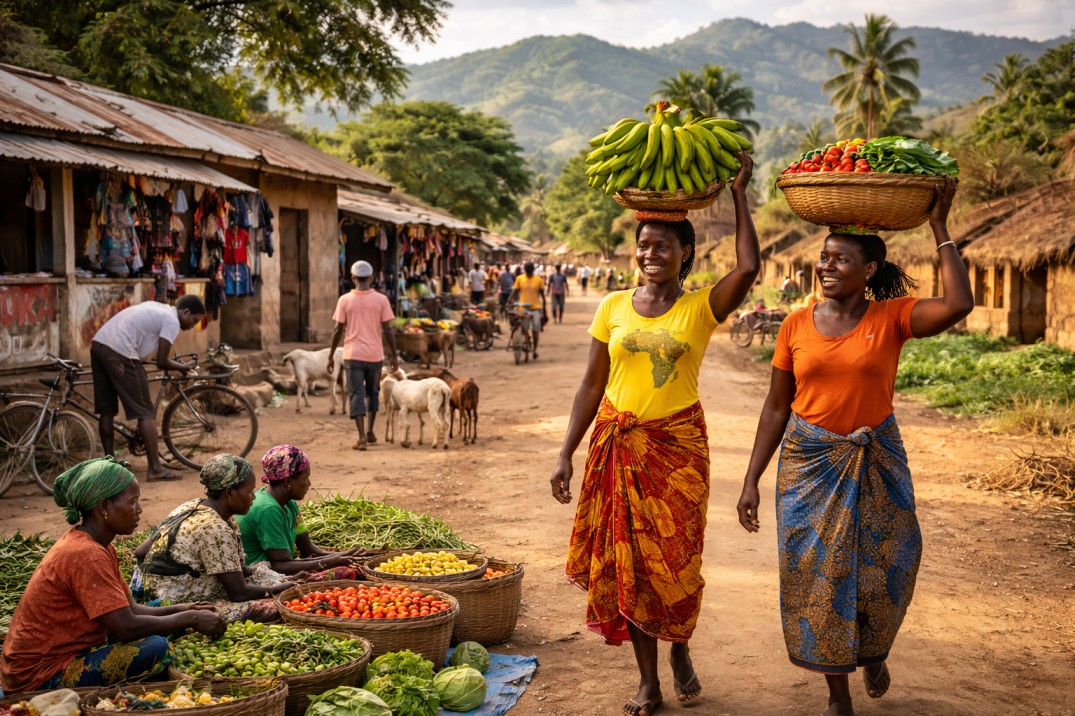
Everyday Life Beyond Tourist Stereotypes: Exploring Rural and Small-Town Tanzania
When most people think of Tanzania, images of safari adventures, the Serengeti, and Zanzibar beaches come to mind. While these attractions are spectacular, they represent only a small part of the country. Beyond the tourist hotspots, Tanzania is home to vibrant rural communities, small towns, and everyday life that is rich, authentic, and deeply cultural.
Exploring everyday life beyond tourist stereotypes gives travelers a real understanding of Tanzanian society, traditions, and resilience, offering experiences that are personal, meaningful, and off the beaten path.
Why Explore Everyday Life Beyond Tourist Spots?
- Authentic Experiences: Witness how ordinary Tanzanians live, work, and celebrate daily life.
- Cultural Understanding: Learn about language, social norms, food habits, and traditional practices.
- Support Local Communities: Spending in villages and small towns directly benefits families and small businesses.
- Sustainable Travel: Off-the-beaten-path travel reduces crowding and over-tourism in popular destinations.
- Human Connection: Share stories, meals, and activities with locals for lasting memories.
Traveling beyond the usual tourist areas allows visitors to see Tanzania through the eyes of its people.
Typical Rural Life in Tanzania
1. Farming and Agriculture
- Most rural communities rely on subsistence farming, growing maize, cassava, beans, and vegetables.
- Many families also cultivate coffee, tea, or spices for sale in local markets.
- Farming is community-oriented, with neighbors often helping each other during planting and harvest seasons.
2. Markets and Small Businesses
- Daily markets are hubs of activity, where locals sell produce, fish, crafts, and household goods.
- Small shops, kiosks, and food stalls provide everyday essentials and opportunities for interaction with locals.
- Visitors can sample street foods, buy handmade goods, and learn about local trade practices.
3. Schools and Education
- Rural schools often combine traditional teaching with local knowledge, and students sometimes assist families with farming.
- Visitors may witness school events, cultural performances, and children’s games, offering insight into local education and community life.
4. Family and Community Life
- Families often live in close-knit compounds, where multiple generations share space.
- Daily routines include farming, cooking, fetching water, and communal chores, reflecting cooperation and resilience.
- Celebrations such as birthdays, weddings, and religious events bring the whole community together.
Daily-Life Activities Visitors Can Experience
- Village Walks: Observe homes, farms, and daily routines while learning about local customs.
- Cooking Classes: Prepare traditional meals with families, using fresh local ingredients.
- Farm Visits: Participate in planting, harvesting, or animal care, guided by villagers.
- Market Tours: Explore bustling rural markets, tasting street foods and learning about trade.
- Craft Making: Watch or join in weaving, pottery, or basket making with local artisans.
These activities offer hands-on experiences, creating connections that go beyond sightseeing.
Social and Cultural Insights
1. Language and Communication
- Swahili is widely spoken, with local dialects in different regions.
- Learning basic greetings and phrases shows respect and builds rapport.
2. Clothing and Traditions
- Daily clothing varies from modern attire in towns to traditional garments in villages.
- Clothing often reflects practical needs, climate, and cultural identity.
3. Festivals and Rituals
- Rural areas celebrate harvest festivals, religious ceremonies, and local rites.
- Visitors can observe or participate respectfully, gaining insight into community values and traditions.
4. Music and Dance
- Traditional songs, drumming, and dances are common during celebrations and social gatherings.
- These practices are a living connection to heritage and history.
Tips for Travelers
- Respect Local Customs: Ask before taking photos, dress modestly, and observe village norms.
- Engage Gently: Participate in activities without imposing—watch first, then join.
- Support Local Economy: Buy food, crafts, and services directly from locals.
- Travel Slowly: Spend time walking, talking, and observing, rather than rushing through.
- Learn Basic Swahili Phrases: Greetings, thank you, and polite words go a long way.
Benefits of Exploring Everyday Life
- Cultural Immersion: Understand the daily joys, struggles, and resilience of Tanzanians.
- Meaningful Connections: Build friendships and share stories with locals.
- Authentic Memories: Experience moments that are unrehearsed and unforgettable.
- Sustainable Impact: Contribute directly to villagers’ income and local development.
- Enhanced Perspective: Gain appreciation for rural life, community, and traditions.
Traveling beyond tourist spots allows visitors to see Tanzania in a more balanced and human way.
Discover the Real Tanzania
Tanzania is more than safaris and beaches. Its villages, small towns, and rural communities reveal the heart of the country—resilient, welcoming, and deeply cultural.
By exploring everyday life, travelers can:
- Witness authentic routines of farming, schooling, and family life
- Participate in village activities, from cooking to crafts
- Support communities through direct spending and engagement
Every interaction in rural Tanzania offers a unique insight into the culture, values, and spirit of its people. For travelers seeking authenticity, connection, and meaningful experiences, venturing beyond tourist stereotypes is the true way to understand Tanzania.