
Culture

Language Diversity and Cultural Identity in Tanzania: Preserving Heritage in Modern Times

Tanzania is a country rich in culture, traditions, and languages. With over 120 ethnic groups, each with its own language, dialects, and customs, Tanzania is one of the most culturally diverse countries in Africa. This diversity is not only a source of pride for Tanzanians but also a key attraction for travelers seeking authentic cultural experiences.

In recent decades, modernization, urbanization, and globalization have influenced traditional culture. Younger generations are blending ancestral heritage with contemporary lifestyles, creating a unique cultural evolution. In this post, we’ll explore Tanzania’s linguistic and cultural diversity, how modernization is shaping identity, and why preserving culture is essential for future generations.


1. The Cultural Mosaic of Tanzania

Tanzania’s diversity is extraordinary. From the coastal Swahili communities to the highland Chagga villages and remote Maasai plains, each region has distinct customs, languages, and ways of life.

Major Ethnic Groups:

  • Maasai: Pastoralists in northern Tanzania; known for beadwork, dances, and ceremonies
  • Chagga: Highland farmers on Mount Kilimanjaro; coffee and banana cultivation, traditional homes
  • Sukuma: Northern plains; cattle herding, music, and storytelling
  • Haya: Lake Victoria region; fishing communities with rich rituals and crafts
  • Hadza and Datoga: Indigenous hunter-gatherers with unique cultural practices

Each group speaks its own language or dialect, which is a cornerstone of cultural identity.


2. Language Diversity in Tanzania

Tanzania is known for its linguistic richness. While Swahili is the national language and English is the official language used in education and government, there are over 120 local languages spoken across the country.

Key Facts About Tanzanian Languages:

  • Swahili acts as a unifying language, connecting different ethnic groups
  • Local languages carry oral traditions, folklore, songs, and rituals
  • Languages like Chaga, Sukuma, Maasai, Haya, and Hehe are still spoken in daily life
  • Each language reflects history, environment, and community identity

The challenge today is that younger generations often prioritize Swahili or English, which can lead to gradual erosion of local languages.


3. How Language Shapes Cultural Identity

Language is more than just a way of communication—it is deeply tied to cultural identity. In Tanzania:

  • Traditional songs, poetry, and storytelling are passed orally through generations
  • Local languages preserve unique ways of thinking, humor, and expressions
  • Certain ceremonies, rituals, and songs can only be fully understood in native languages
  • Language helps maintain community bonds and social cohesion

When languages fade, a part of cultural heritage and identity disappears.


4. Modernization and Its Influence on Culture

Modernization has brought urbanization, technology, and global media to Tanzania. While this has connected communities and created opportunities, it also influences culture.

Impact on Language:

  • Younger Tanzanians in cities often speak Swahili or English more than local dialects
  • Migration to urban areas leads to less use of ancestral languages
  • Some rural schools teach primarily in Swahili or English, reducing time spent learning local languages

Impact on Customs and Traditions:

  • Traditional clothing is now often blended with modern fashion
  • Rituals and ceremonies are sometimes simplified or altered for modern lifestyles
  • Urban youth may celebrate cultural events differently, using music, dance, or clothing in new ways

Positive Outcomes:

  • Modernization allows cultural exchange and exposure to global trends
  • New media platforms help promote local traditions, music, and crafts
  • Young people are creatively combining tradition and modernity


5. Blending Tradition with Modern Life

Despite modernization, Tanzanians are finding ways to honor heritage while embracing contemporary life.

Examples:

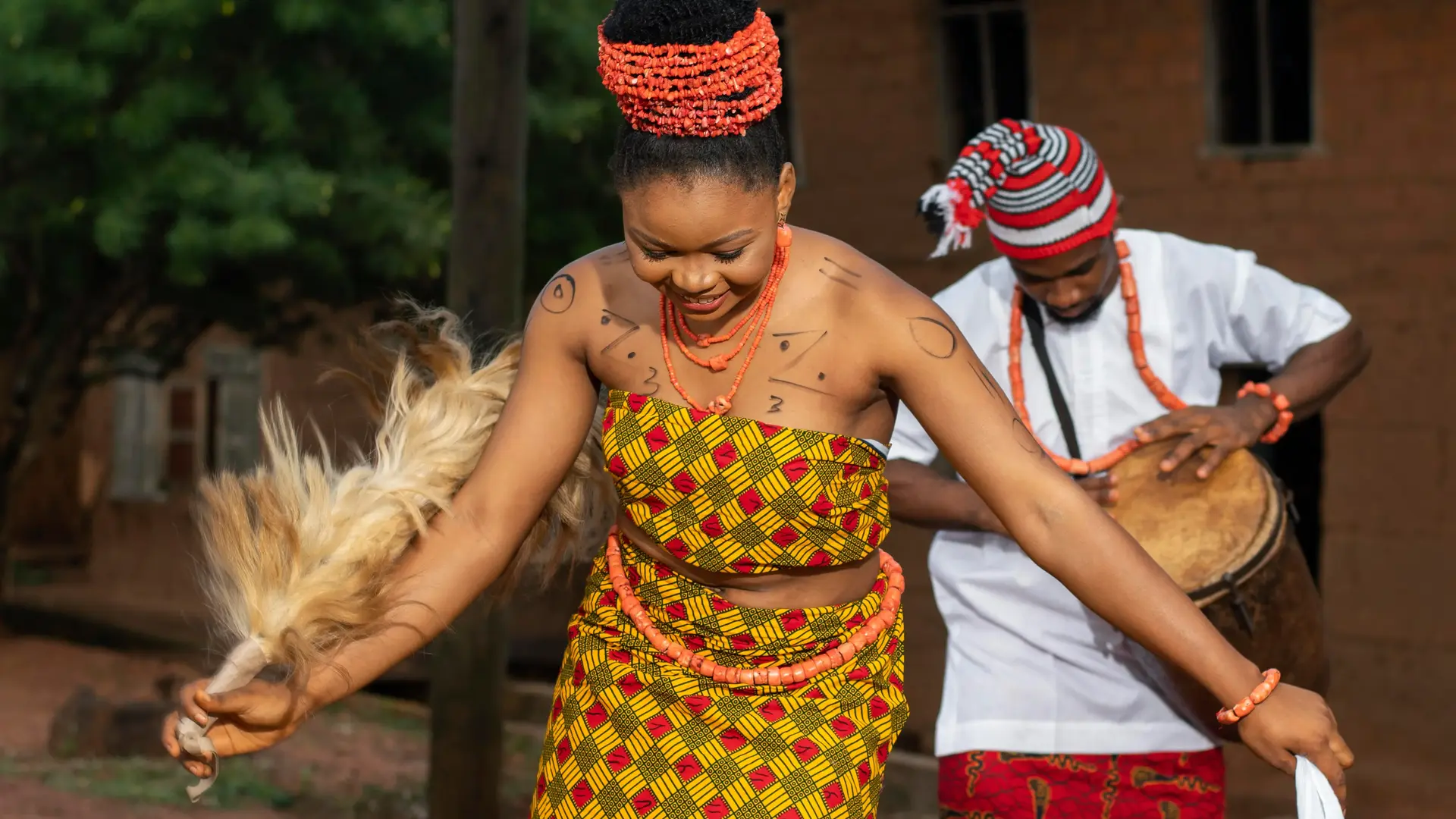
  • Clothing: Maasai beaded jewelry worn with modern outfits; Chagga women combining traditional patterns with western-style dresses
  • Music: Traditional drums and instruments integrated into modern Tanzanian pop (Bongo Flava)
  • Ceremonies: Weddings and festivals retaining traditional rituals but incorporating modern elements like photography, venues, or music
  • Language: Use of local languages in songs, social media, and storytelling, even among urban youth

This blending is creating a dynamic, evolving culture that is still rooted in identity.


6. Preserving Cultural Heritage

Preserving Tanzania’s cultural heritage is vital for identity, tourism, and education. Several efforts are underway:

a) Cultural Centers and Museums

  • Museums in Dar es Salaam, Kilimanjaro, and Mwanza showcase ethnic artifacts, clothing, and history
  • Centers organize workshops, exhibitions, and performances

b) Festivals and Cultural Events

  • Annual festivals celebrate music, dance, and crafts
  • Examples: Karibu Festival, Maasai Cultural Days, and Chagga Harvest Celebrations

c) Education and Language Programs

  • Schools and NGOs promote local languages and oral traditions
  • Programs teach children traditional songs, dances, and storytelling

d) Tourism

  • Community-based tourism offers immersive experiences in villages
  • Tourists learn local language basics, participate in rituals, and appreciate traditional arts


7. Role of the Younger Generation

The youth play a crucial role in balancing tradition and modernity.

  • Innovators: Young artisans create crafts that blend traditional motifs with contemporary designs
  • Social media users: Share cultural stories, songs, and performances online
  • Cultural ambassadors: Engage in community projects, festivals, and tourism initiatives
  • Learners: Participate in workshops and learn ancestral languages and rituals

The younger generation ensures that tradition adapts rather than disappears.


8. Cultural Identity in Urban Tanzania

Urbanization has created multicultural cities like Dar es Salaam, Dodoma, and Arusha, where people from different ethnic groups live and work together.

Characteristics of Urban Cultural Identity:

  • Mixing of languages: Swahili dominates, but local words and phrases remain
  • Fashion fusion: Traditional clothing styles are modernized for city life
  • Festivals: Urban youth organize cultural events to celebrate heritage
  • Food: Traditional recipes are adapted for city tastes and modern cooking methods

Urban Tanzanians demonstrate that identity can thrive in a modern setting, blending past and present.


9. Language and Culture in Tourism

Tanzania’s cultural and linguistic diversity is a major attraction for travelers.

  • Tourists value authentic village experiences, traditional music, and artisan crafts
  • Learning basic phrases in local languages enhances engagement
  • Storytelling, songs, and oral histories provide unique insights into Tanzanian life

Investing in cultural tourism also encourages youth to preserve languages and traditions, creating a cycle of cultural sustainability.


10. Challenges to Cultural Preservation

Despite efforts, challenges remain:

  • Globalization: Foreign media and entertainment influence youth
  • Urban migration: Rural populations shrink, leading to less transmission of traditions
  • Language loss: Many local languages are endangered
  • Commercialization: Tourism sometimes commodifies culture, risking authenticity

Addressing these challenges requires education, community involvement, and responsible tourism.


11. Ways to Support Cultural Identity

  • Learn and use local languages when visiting communities
  • Support artisan crafts and traditional businesses
  • Participate in cultural festivals and village experiences
  • Encourage youth programs teaching languages, songs, and dances
  • Promote authentic tourism experiences that respect traditions

Every small effort helps preserve Tanzania’s rich cultural tapestry.


Tanzania’s cultural and linguistic diversity is a treasure. The country’s 120+ ethnic groups, traditional languages, and rich customs form the backbone of identity. While modernization and urbanization present challenges, younger generations are creatively blending tradition with modern life, ensuring culture evolves without disappearing.

For travelers, experiencing Tanzania’s languages, customs, and festivals offers a deeper understanding of the country beyond safaris and beaches. For Tanzanians, it is a matter of pride, heritage, and continuity.

By embracing cultural preservation, language education, and responsible tourism, Tanzania can maintain its unique identity while thriving in the modern world. Language and culture are living legacies—and protecting them ensures Tanzania’s rich heritage continues for generations.

Tanzania awaits for your arrival

Come, Roam, Explore: the world that Tanzania offers!

Contact Us