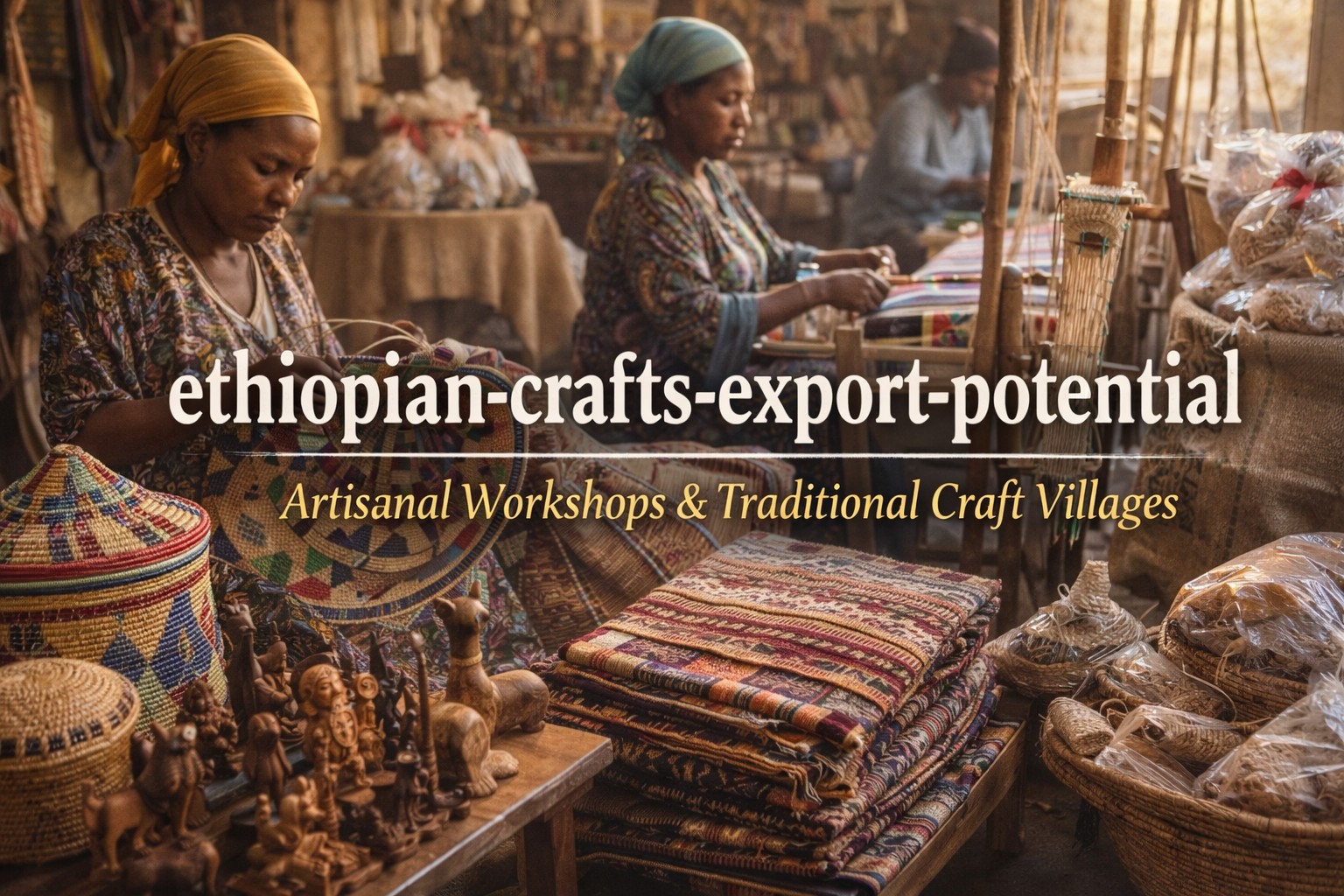
Small-Scale Artisanal Crafts and Export Potential in Ethiopia: Investing in Traditional Craft Villages and Workshops
Ethiopia is a land of rich cultural heritage. Beyond its stunning landscapes and historic sites, the country is home to traditional artisans who create beautiful crafts—woven textiles, carved wood, pottery, and more. Many of these crafts are made in small villages, using techniques passed down for generations.
In recent years, there is growing interest in investing in artisanal crafts—both to preserve culture and to reach national and international markets. Small-scale craft businesses can provide sustainable livelihoods for communities while offering tourists authentic experiences.
In this blog, we will explore Ethiopia’s artisanal crafts, where they come from, how villages are preserving them, and the opportunities for investors and travelers to support and enjoy these crafts.
What Are Ethiopian Artisanal Crafts?
Artisanal crafts are handmade products that reflect culture, tradition, and skill. In Ethiopia, these include:
- Textiles and weaving: Handwoven clothes, scarves, and baskets
- Wood carving: Religious crosses, household items, and sculptures
- Pottery and ceramics: Clay pots, decorative items, and functional wares
- Metalwork: Jewelry, traditional tools, and ornaments
Most of these crafts are made in small-scale workshops or family homes, preserving traditional methods.
Why Small-Scale Craft Villages Are Important
Craft villages are vital for culture, economy, and tourism:
- Cultural preservation: Techniques, patterns, and symbols are passed down generations.
- Economic opportunity: Artisans earn a living from local sales and exports.
- Tourist experiences: Visitors can watch crafts being made, learn techniques, and purchase authentic products.
- Sustainable practices: Handcrafted items are often eco-friendly, made from natural materials.
These villages are hubs of creativity and heritage.
Traditional Crafts of Ethiopia
Let’s explore some of the most notable crafts:
1. Textiles and Weaving
- Handwoven cotton and silk are common in many regions.
- Patterns and colors often indicate ethnic identity or cultural significance.
- Examples include Gabi, Netela, and traditional shawls worn during ceremonies.
Visitors can watch weavers at looms, learn about dyeing techniques, and even try weaving themselves in some workshops.
2. Wood Carving
- Wood is carved into religious crosses, figurines, furniture, and kitchenware.
- Ethiopian Orthodox crosses are especially intricate, made from olive or fig wood.
- Carving workshops often allow visitors to see the step-by-step process, from raw wood to finished piece.
3. Pottery and Ceramics
- Clay pots and jars are made for daily use and decorative purposes.
- Many villages have kilns where visitors can watch the firing process.
- Pottery making is often a family tradition, passed from parents to children.
4. Jewelry and Metalwork
- Silver and brass are commonly used for rings, necklaces, and bracelets.
- Some items have symbolic or religious meanings.
- Small workshops allow tourists to observe or participate in making jewelry, creating souvenirs with personal connection.
Craft Villages to Visit in Ethiopia
Some villages are particularly known for preserving artisanal skills:
- Bete Israel in Addis Ababa outskirts: Famous for jewelry and metalwork.
- Tiya region: Known for pottery and traditional weaving.
- Gondar and Lalibela villages: Wood carving, especially religious crosses and furniture.
- Southern Nations, Nationalities, and Peoples’ Region (SNNPR): Basket weaving and colorful textiles.
Visiting these villages offers authentic cultural experiences and helps support local artisans.
How Artisanal Crafts Can Be Exported
Ethiopian crafts have high potential for international markets:
- Unique designs: Handmade items with cultural stories attract buyers worldwide.
- Eco-friendly materials: Natural fibers, wood, and clay appeal to sustainable markets.
- Custom orders: Tourists or online customers can request specific designs.
- Collaborations: Artisans can work with designers for modern products while keeping tradition alive.
Exports not only bring revenue but also promote Ethiopia’s culture globally.
How Tourists Can Support Artisans
Travelers play a key role in sustaining craft villages:
- Purchase directly from artisans rather than shops with intermediaries.
- Learn and participate: Join workshops to understand techniques.
- Share experiences: Promote crafts on social media, helping artisans reach wider audiences.
- Respect cultural significance: Some items may be ceremonial—ask before buying.
Supporting artisans ensures skills and culture are preserved for future generations.
Investment Opportunities in Artisanal Crafts
Investors can help scale artisanal crafts while maintaining tradition:
- Small workshops: Fund local workshops with tools, materials, and training.
- Tourism integration: Combine craft workshops with farm or cultural tours.
- Online marketplaces: Help artisans sell products internationally.
- Training programs: Educate youth in villages to continue traditional skills.
With careful planning, investment can benefit communities economically and culturally.
Challenges in Artisanal Craft Development
While opportunities are abundant, there are challenges:
- Limited access to global markets: Many artisans lack marketing channels.
- Preservation vs commercialization: Mass production can harm authenticity.
- Infrastructure issues: Rural villages may lack reliable electricity or transport.
- Training gaps: Young generations may migrate to cities, leaving skills behind.
Responsible investment and tourism can address these challenges.
Tips for Travelers Visiting Craft Villages
- Plan ahead: Identify villages open to tourists.
- Hire local guides: They help explain techniques and cultural context.
- Engage respectfully: Ask before photographing artisans.
- Purchase authentically: Choose handmade items, not mass-produced.
- Combine experiences: Visit a village, participate in workshops, and enjoy local food.
Following these tips creates meaningful, authentic travel experiences.
Combining Crafts with Cultural Tourism
Artisan visits are more rewarding when paired with:
- Local markets: Explore regional produce and handmade goods.
- Festivals: Observe traditional clothing, dances, and performances.
- Historical towns: Combine craft workshops with visits to old churches, castles, or monuments.
- Farm tours: Some villages combine weaving, pottery, and farming experiences.
This integration gives a full picture of Ethiopian rural life.
Ethiopia’s Artisanal Crafts Are a Cultural Treasure
Small-scale artisanal crafts in Ethiopia are more than souvenirs; they are stories, traditions, and skills preserved for generations. Visiting craft villages, participating in workshops, and purchasing handmade items not only gives travelers unique experiences but also supports local communities and promotes sustainable development.
For investors, artisanal crafts provide opportunities for economic growth, export potential, and cultural preservation. For tourists, they offer authentic, memorable experiences that go beyond commercialized products.
Exploring Ethiopia’s craft villages is a journey into art, heritage, and community spirit—a must for anyone who wants to see the country beyond the ordinary.