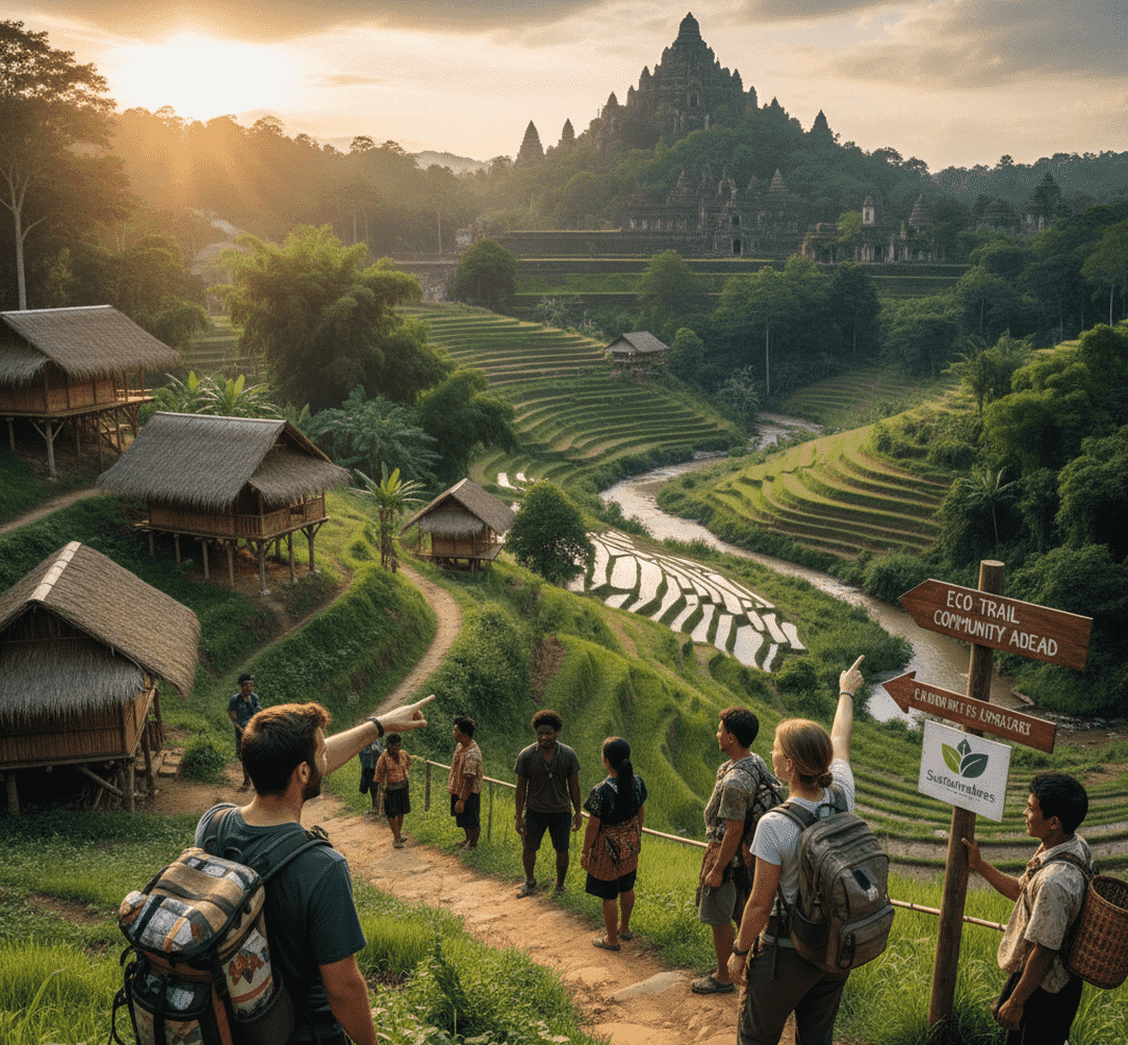
Sustainable tourism itineraries: design a travel route
Tanzania is world-renowned for its safari adventures, Kilimanjaro, and the beaches of Zanzibar. But beyond these famous spots, there’s a growing trend of sustainable tourism, which focuses on environmentally friendly travel, supporting local communities, and discovering lesser-known destinations.
For travelers who care about the environment and local livelihoods, Tanzania offers eco-lodges, community-based accommodations, and off-the-beaten-path experiences. This guide explores sustainable tourism itineraries, showing you how to plan trips that are both responsible and unforgettable.
Why Choose Sustainable Tourism?
- Protect Nature: Eco-friendly stays minimize environmental impact and help conserve wildlife, forests, and water resources.
- Support Communities: Community-based lodges and local experiences ensure tourism benefits local people directly.
- Authentic Experience: Sustainable tourism allows travelers to connect with culture, traditions, and local lifestyles.
- Responsible Travel: Helps reduce pollution, over-tourism, and habitat destruction.
- Learning Opportunities: Travelers can learn about conservation, farming, and traditional crafts.
Sustainable tourism isn’t just about staying in eco-lodges—it’s about making choices that positively impact the environment and society.
Sustainable Travel Itinerary in Tanzania
Day 1-2: Arrival in Dar es Salaam and Travel to Saadani National Park
- Why Saadani: Unlike the famous northern parks, Saadani blends coastal beaches with wildlife reserves, perfect for eco-conscious travelers.
- Accommodation: Stay at a community-run lodge or eco-friendly tented camp.
- Activities: Guided walking safaris, bird-watching, and interactions with local fishing communities.
Day 3-5: Uluguru Mountains and Local Villages
- Why Uluguru: Lush highlands with rivers, waterfalls, and rich biodiversity.
- Accommodation: Homestays or eco-lodges run by community cooperatives.
- Activities:
- Hiking with local guides
- Visiting small villages and markets
- Learning about sustainable farming practices
Day 6-8: Lake Tanganyika Eco-Lodge Experience
- Why Lake Tanganyika: One of the largest and deepest freshwater lakes in the world, less frequented by tourists.
- Accommodation: Eco-lodges powered by solar energy and water recycling systems.
- Activities:
- Canoeing and bird-watching
- Visiting fishermen villages
- Supporting local handicraft projects
Day 9-11: Selous Game Reserve (Nyerere National Park)
- Why Selous: Remote, less crowded safari destination with focus on eco-tourism and wildlife conservation.
- Accommodation: Sustainable safari lodges using solar energy, waste reduction, and local sourcing of food.
- Activities: Boat safaris, guided game drives, learning about anti-poaching efforts.
Day 12-14: Coastal Villages near Pangani
- Why Pangani: Historic coastal town with quiet beaches and small-scale community tourism projects.
- Accommodation: Community lodges or eco-resorts using local materials and sustainable practices.
- Activities: Beach walks, marine conservation tours, interacting with fishing cooperatives.
Principles of Sustainable Stays
- Eco-Friendly Design: Lodges made from local, renewable materials reduce environmental footprint.
- Renewable Energy: Solar panels and clean water systems are common in eco-lodges and community-based accommodations.
- Waste Management: Responsible lodges recycle, compost, and minimize single-use plastics.
- Community Ownership: Many lodges are run or co-managed by local communities, ensuring tourism income stays local.
- Education and Awareness: Visitors can participate in conservation and community projects, learning about wildlife, forests, and sustainable farming.
Responsible Activities for Sustainable Travelers
- Walking Safaris and Hiking: Minimal environmental impact and closer interaction with nature.
- Cultural Tours: Visit villages, markets, schools, and local artisans.
- Bird-Watching and Wildlife Observation: Use binoculars and respect habitats.
- Volunteering Opportunities: Participate in tree planting, wildlife monitoring, or marine clean-ups.
- Support Local Economy: Buy handicrafts, food, and services directly from locals.
Tips for Sustainable Travel in Tanzania
- Pack Light and Eco-Friendly: Avoid single-use plastics and bring reusable water bottles, bags, and toiletries.
- Choose Eco-Lodges: Research accommodations with certifications or clear sustainability policies.
- Travel Off-Peak: Avoid contributing to over-tourism in popular destinations.
- Respect Wildlife: Keep a safe distance, avoid loud noises, and follow park regulations.
- Learn About Local Customs: Dress modestly, ask before photographing people, and support community-led initiatives.
Benefits of Sustainable Travel
- Positive Impact: Helps preserve ecosystems and support livelihoods.
- Unique Experiences: Discover hidden gems, local culture, and authentic landscapes.
- Connection with Nature: Slower travel allows deep immersion in wildlife, forests, and coastal ecosystems.
- Educational Value: Learn about conservation, farming, and traditional lifestyles.
- Long-Term Travel Satisfaction: Knowing your travel benefits local communities adds meaning to your journey.
Sustainable Adventures Await
Tanzania’s beauty goes beyond its famous safaris. Remote highlands, quiet beaches, and community-based lodgesoffer travelers responsible, immersive experiences. By choosing eco-friendly accommodations, supporting local initiatives, and traveling consciously, you help preserve the environment, culture, and wildlife.
Whether it’s hiking in the Uluguru Mountains, exploring Saadani’s unique coastal ecosystems, or relaxing at a community lodge by Lake Tanganyika, sustainable tourism provides memorable and meaningful travel experiences.
With careful planning and a focus on responsible travel, Tanzania can be explored in a way that benefits both the visitor and the local communities. So pack your bags, embrace eco-friendly travel, and experience Tanzania off the beaten path.