Exploring Tanzania’s Marine and Coastal Ecosystems: Life, Conservation, and Sustainable Tourism
Tanzania is globally renowned for its savannah wildlife and majestic national parks, but its marine and coastal ecosystems are equally spectacular. Stretching along the Indian Ocean coast, the country boasts pristine coral reefs, mangrove forests, sandy beaches, and vibrant coastal communities. These ecosystems are rich in biodiversity, providing habitats for fish, turtles, seabirds, and countless invertebrates.
In this post, we dive into Tanzania’s coastal and marine ecosystems, their ecological importance, stories of local conservation efforts, and opportunities for responsible coastal tourism.
1. Tanzania’s Coastal and Marine Regions
Tanzania’s coastline stretches over 1,400 km, encompassing mainland shores and islands such as Zanzibar, Pemba, Mafia, and Latham. Each area offers unique marine life and cultural experiences:
- Zanzibar: Famous for coral reefs, white sand beaches, and spice plantations
- Mafia Island: Known for diverse marine life, whale shark spotting, and mangrove forests
- Pemba: Less-touristed, with pristine reefs and traditional fishing communities
- Bagamoyo and Dar es Salaam: Mainland areas where fishing, mangrove conservation, and local trade thrive
These coastal regions are biodiversity hotspots, blending ecology, culture, and livelihoods.
2. Coral Reef Ecosystems
Coral reefs are the foundation of Tanzania’s coastal biodiversity:
- Reefs provide habitats for fish, crustaceans, mollusks, and corals
- Support local fisheries, which are crucial for food security
- Act as natural barriers against coastal erosion and storms
Popular Reef Locations:
- Mnemba Atoll (Zanzibar): Clear waters, colorful coral gardens, and snorkeling opportunities
- Mafia Island Marine Park: Coral reefs with diverse species, including parrotfish, clownfish, and sea urchins
- Pemba’s Misali Island: Lesser-known reefs with exceptional marine biodiversity
Healthy reefs are essential for sustainable fishing, tourism, and ecosystem balance.
3. Mangroves: Coastal Guardians
Mangrove forests line much of Tanzania’s coast, offering critical ecological services:
- Protect shorelines from erosion and storm surges
- Act as nurseries for fish and crustaceans
- Support biodiversity, including birds and small mammals
- Absorb carbon, helping mitigate climate change
Key Mangrove Areas:
- Bagamoyo Mangroves: Historically significant and rich in birdlife
- Mafia Island Mangroves: Support marine species and local fisheries
- Zanzibar’s Menai Bay: Combines mangrove conservation with community tourism
Local communities rely on mangroves for wood, honey, and fishing, making conservation vital for both ecology and livelihoods.
4. Marine Species of Tanzania
Tanzania’s waters are home to a variety of marine life, some of which are unique or endangered:
a) Fish and Invertebrates
- Parrotfish, groupers, snappers, and clownfish thrive in coral reefs
- Octopuses, sea cucumbers, and lobsters are harvested sustainably by coastal communities
b) Marine Mammals
- Dolphins frequent Zanzibar and Pemba coasts
- Dugongs (sea cows) are rare but present in southern coastal regions
c) Sea Turtles
- Green, hawksbill, and leatherback turtles nest on remote beaches
- Conservation projects monitor nesting and hatching success rates
d) Seabirds
- Mangroves and coastal islands host terns, herons, frigatebirds, and pelicans
The combination of coral reefs, mangroves, and seagrass beds makes Tanzania’s marine ecosystems highly productive and resilient.
5. Threats to Coastal Ecosystems
Despite their beauty, Tanzania’s coastal ecosystems face growing pressures:
- Overfishing: Unsustainable methods threaten fish populations
- Coral bleaching: Rising sea temperatures stress coral reefs
- Pollution: Plastic waste, oil spills, and untreated sewage affect marine life
- Coastal development: Hotels and ports disrupt habitats and mangroves
Addressing these challenges requires community-based conservation and responsible tourism.
6. Community-Based Conservation
Tanzanian coastal communities are leading innovative conservation projects:
- Mafia Island Marine Park: Villagers collaborate to monitor reefs, protect turtles, and manage fishing zones
- Zanzibar’s Menai Bay Conservation Area: Combines ecotourism and mangrove preservation
- Bagamoyo Beach Initiatives: Local fishers protect breeding grounds while promoting sustainable fishing practices
Community involvement ensures long-term success, balancing ecology and livelihoods.
7. Eco-Tourism and Responsible Travel
Tourism can support coastal conservation if done responsibly:
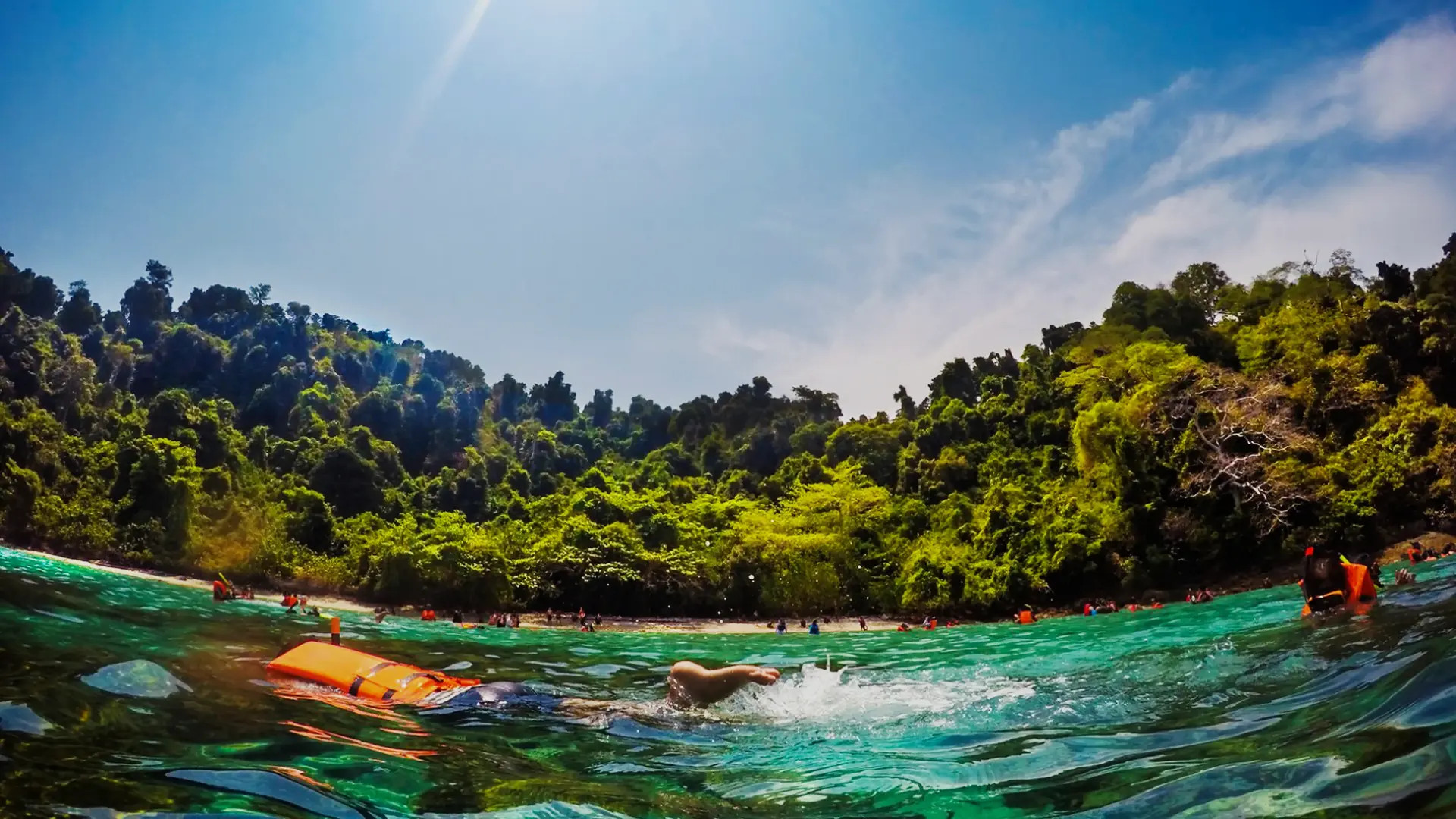
a) Snorkeling and Diving
- Explore coral reefs without harming them
- Learn from local guides about marine life and sustainable practices
b) Mangrove Walks and Bird Watching
- Observe wildlife in their natural habitats
- Support local conservation initiatives through guided tours
c) Sustainable Lodging
- Stay at eco-lodges powered by solar energy, waste management, and water conservation
- Contribute directly to community development projects
d) Volunteer Programs
- Participate in turtle monitoring, beach clean-ups, or reef restoration
- Provides hands-on understanding of coastal conservation
Responsible tourism ensures visitors enjoy nature without depleting resources.
8. Cultural Connection to the Sea
Coastal communities have a deep cultural relationship with the ocean:
- Fishing traditions date back centuries, passed from parent to child
- Stories and folklore often involve the sea, marine spirits, and navigation
- Traditional boat-making and fishing tools reflect heritage and craftsmanship
Understanding this cultural dimension adds depth to marine exploration.
9. Seasonal Events and Wildlife Watching
Timing your visit can enhance experiences:
- Whale Shark Season (Mafia Island): October to March, observe these gentle giants
- Turtle Nesting Season (Mafia, Zanzibar, Pemba): Monitor hatching events
- Bird Migration: Mangroves and coastal lagoons host seasonal migratory birds
Seasonal events showcase the dynamic life of Tanzania’s coastal ecosystems.
10. Practical Tips for Visitors
- Hire local guides for safe and informative tours
- Avoid touching or stepping on corals
- Use reef-safe sunscreen to protect marine life
- Respect community rules and protected areas
- Support local artisans and eco-tourism services
By following these guidelines, visitors can enjoy Tanzania’s coasts responsibly.
11. The Future of Tanzania’s Coastal Ecosystems
Conservation efforts are ongoing:
- Community engagement: Fishermen and villagers actively protect reefs and mangroves
- Research and monitoring: Scientists track coral health, fish populations, and sea turtle activity
- Education programs: Schools teach children sustainable practices and marine biology
- Eco-tourism growth: Tourism that respects nature and culture provides funds for protection
The future depends on balancing human activity, tourism, and ecosystem preservation.
Tanzania’s marine and coastal ecosystems are treasures of biodiversity, culture, and natural beauty. From vibrant coral reefs and mangrove forests to turtles, dolphins, and seabirds, these ecosystems provide food, livelihoods, and cultural identity for coastal communities.
Responsible tourism, community-led conservation, and environmental awareness are key to protecting these ecosystems for future generations. Experiencing Tanzania’s coasts offers not only stunning natural sights but also an opportunity to connect with local culture, learn about conservation, and support sustainable livelihoods.
For travelers, a visit to Tanzania’s coasts is more than a vacation—it’s an immersive journey into the interconnected world of marine life, culture, and community stewardship.